

Starting with Legal Compliance Tips for Field Service Businesses, the focus is on understanding the critical aspects that can shape the operations and success of businesses in this sector.
Exploring the nuances of legal compliance and its impact on the field service industry sets the stage for a comprehensive discussion on best practices and strategies.
Importance of Legal Compliance
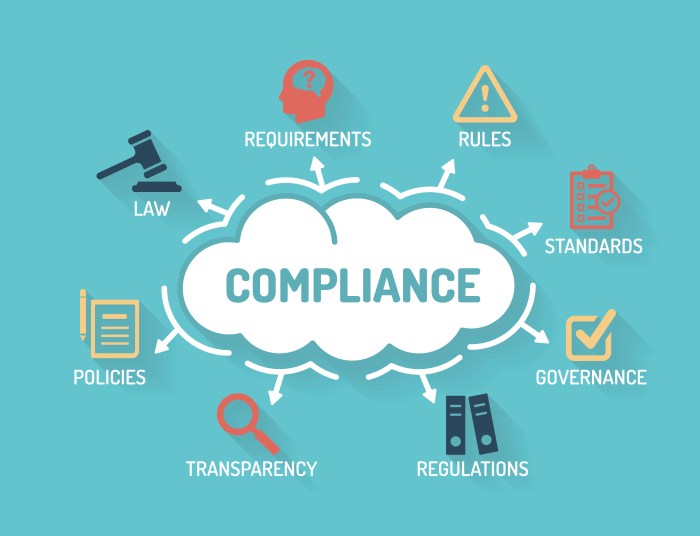
Legal compliance is a critical aspect for field service businesses to ensure that they operate within the boundaries of the law. Failure to comply with legal regulations can result in severe consequences that can jeopardize the business's reputation, financial stability, and even its existence.
Risks Associated with Non-Compliance
- Financial Penalties: Businesses that fail to comply with legal requirements may face hefty fines imposed by regulatory authorities.
- Lawsuits: Non-compliance can lead to lawsuits from customers, employees, or other stakeholders, resulting in legal battles and costly settlements.
- Loss of License: Operating without legal compliance may result in the suspension or revocation of the business's license, halting its operations.
- Reputational Damage: Violating laws can tarnish the business's reputation, leading to loss of trust among customers and stakeholders.
Examples of Legal Consequences
-
Uber
: Uber faced legal challenges due to non-compliance with transportation regulations in various cities, resulting in fines and legal battles.
-
Wells Fargo
: Wells Fargo's unauthorized account scandal led to legal repercussions, including hefty fines and damage to its reputation.
-
Construction Company XYZ
: XYZ faced lawsuits for non-compliance with safety regulations, resulting in financial losses and a damaged reputation.
Key Regulations for Field Service Businesses
Field service businesses are subject to a variety of regulations that are crucial to comply with in order to operate legally and ethically. These regulations can vary depending on the industry or location of the business, impacting daily operations in significant ways.
Health and Safety Regulations
One of the most important regulations that field service businesses need to adhere to is health and safety regulations. This includes ensuring that employees are provided with a safe working environment, proper training on safety procedures, and necessary protective equipment.
Licensing and Permits
Depending on the industry and location, field service businesses may require specific licenses and permits to operate legally. For example, a plumbing business may need a plumbing contractor's license, while an electrical business may need an electrical contractor's license.
Data Protection Regulations
Field service businesses that collect and store customer data must comply with data protection regulations to safeguard sensitive information. This includes obtaining consent for data collection, implementing security measures to prevent data breaches, and ensuring data is not used for unauthorized purposes.
Environmental Regulations
Field service businesses that deal with hazardous materials or waste must adhere to environmental regulations to minimize their impact on the environment. This may include proper disposal of waste, adherence to emissions standards, and implementing environmentally friendly practices.
Implementing Compliance Measures
Implementing a compliance program within a field service business is crucial to ensure that all operations are conducted legally and ethically. Compliance measures help to minimize risks, protect the business from legal issues, and build trust with customers and stakeholders.
Role of Training and Awareness
Training and awareness play a vital role in ensuring compliance within a field service business. Employees need to be educated on relevant laws, regulations, and company policies to understand their responsibilities and the consequences of non-compliance. Regular training sessions, workshops, and communication channels can help in promoting a culture of compliance within the organization.
Best Practices for Monitoring and Enforcing Compliance Measures
- Regular Audits: Conduct routine audits to assess compliance levels and identify any gaps or issues that need to be addressed.
- Clear Policies and Procedures: Establish clear and concise policies and procedures that Artikel compliance requirements and expectations.
- Whistleblower Protection: Implement a mechanism for employees to report any compliance violations or concerns without fear of retaliation.
- Consequences for Non-Compliance: Define consequences for non-compliance with established policies and procedures to deter violations.
- Continuous Improvement: Regularly review and update compliance measures to adapt to changes in laws, regulations, and industry standards.
Data Protection and Privacy
Ensuring data protection and privacy is crucial for field service businesses to maintain customer trust and comply with legal requirements.
Relevant Laws and Regulations
- General Data Protection Regulation (GDPR): Enforced in the EU, this regulation governs the processing of personal data and imposes strict requirements on businesses handling customer information.
- California Consumer Privacy Act (CCPA): Applicable to businesses operating in California, this law gives consumers more control over their personal information and requires transparency in data collection practices.
Securing Customer Data
- Implementing Encryption: Utilize encryption methods to protect sensitive data from unauthorized access.
- Access Control Measures: Restrict access to customer information to authorized personnel only, ensuring data is not compromised.
- Regular Audits: Conduct routine audits to identify and address any vulnerabilities in data protection measures.
Final Thoughts
In conclusion, Legal Compliance Tips for Field Service Businesses serves as a roadmap for navigating the complex landscape of regulations and ensuring sustainable growth while mitigating risks.
FAQs
What are the consequences of non-compliance?
Non-compliance can lead to hefty fines, legal actions, and damage to the reputation of the business.
How can businesses ensure data protection and privacy?
Implementing robust data security measures, following relevant laws, and regular audits can help in safeguarding customer data.
What role does training play in compliance?
Training is crucial for creating awareness among employees about legal requirements and ensuring adherence to compliance measures.

