

Embarking on the journey of understanding How to Protect Your Business from Asbestos Lawsuits: Legal Basics, this introductory paragraph aims to draw in readers with its informative and engaging approach.
The following paragraph will delve into the specifics of the topic, providing a comprehensive overview.
Legal Basics for Asbestos Lawsuits
Asbestos exposure in the workplace can have severe legal implications for businesses. It is crucial for companies to understand the laws and regulations surrounding asbestos to protect themselves from potential lawsuits.
Key Laws and Regulations
- The Clean Air Act: This federal law regulates the release of asbestos fibers into the air and sets emission standards for asbestos in the workplace.
- The Occupational Safety and Health Administration (OSHA) Asbestos Standard: OSHA mandates specific safety requirements for employees who may be exposed to asbestos during their work.
- The Asbestos Hazard Emergency Response Act (AHERA): AHERA requires schools to inspect for asbestos-containing materials and develop management plans to prevent exposure.
Responsibilities of Businesses
- Identifying Asbestos: Businesses must conduct thorough inspections to identify any asbestos-containing materials in their facilities.
- Implementing Safety Measures: Employers are responsible for providing proper training, protective equipment, and safe work practices to minimize the risk of asbestos exposure.
- Compliance with Regulations: It is essential for businesses to comply with all federal and state regulations regarding asbestos to avoid legal consequences.
Risk Assessment and Mitigation Strategies
When it comes to protecting your business from asbestos lawsuits, conducting thorough risk assessments and implementing effective mitigation strategies are crucial steps to take. By identifying potential risks and taking proactive measures, you can minimize the chances of asbestos-related issues arising within your business environment.
Methods for Conducting Asbestos Risk Assessments
- Engage qualified professionals: Hire experts in asbestos testing and evaluation to conduct comprehensive risk assessments within your business premises.
- Inspect all areas: Ensure that all buildings, structures, and equipment are thoroughly inspected for any potential asbestos-containing materials.
- Sample collection: Take samples of suspected materials and send them to accredited laboratories for analysis to confirm the presence of asbestos.
- Review historical records: Examine past records and reports to identify any previous asbestos-related activities or materials used in your business.
Effective Mitigation Strategies
- Asbestos removal: If asbestos-containing materials are found, consider removing them completely by hiring licensed professionals to ensure safe and proper disposal.
- Encapsulation or sealing: Seal off asbestos materials that are in good condition to prevent the release of fibers into the air.
- Implement strict protocols: Establish clear guidelines and procedures for handling asbestos-containing materials to minimize the risk of exposure to employees and visitors.
- Employee training: Provide training to employees on asbestos awareness, safe handling practices, and emergency procedures in case of exposure.
Importance of Regular Monitoring and Maintenance
Regular monitoring and maintenance are essential to prevent asbestos exposure and ensure the long-term safety of your business environment. By conducting routine inspections, monitoring air quality, and addressing any issues promptly, you can stay proactive in safeguarding against asbestos-related risks.
Employee Training and Awareness
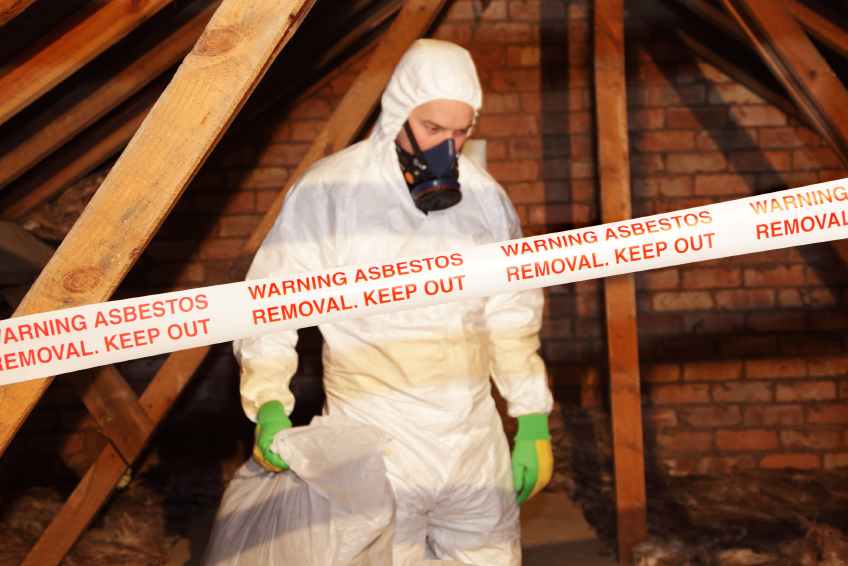
Employee training and awareness are crucial when it comes to protecting your business from asbestos lawsuits. By educating your employees on asbestos hazards and safety measures, you can create a safer work environment and reduce the risk of exposure.
Significance of Training Employees
- Training employees on asbestos hazards helps them understand the risks associated with asbestos exposure.
- Proper training can empower employees to identify potential asbestos-containing materials in the workplace.
- Education on safety measures ensures that employees know how to handle asbestos-containing materials properly.
Raising Awareness Among Employees
- Conduct regular training sessions on asbestos hazards and safety protocols.
- Display informative posters or signs in the workplace to remind employees about asbestos risks.
- Encourage open communication so employees feel comfortable reporting any concerns related to asbestos.
Creating a Culture of Safety
- Lead by example by following all safety protocols yourself.
- Reward employees who actively participate in safety training and follow proper procedures.
- Implement regular safety audits to ensure compliance with asbestos regulations.
Compliance with Safety Regulations
To protect your business from asbestos lawsuits, it is crucial to ensure compliance with safety regulations related to asbestos management. Failing to meet these legal requirements can result in severe consequences for your business, including hefty fines and potential legal action.
Steps to Ensure Compliance
- Educate yourself and your employees on the relevant asbestos safety regulations in your area.
- Conduct regular inspections to identify any asbestos-containing materials in your workplace.
- Create a detailed asbestos management plan outlining how you will handle and remove asbestos safely.
- Hire certified professionals to conduct asbestos testing and removal to ensure compliance with regulations.
- Maintain accurate records of asbestos inspections, testing, and any removal or abatement work done on your premises.
Comparison of Different Approaches
| Approach | Details |
|---|---|
| DIY Approach | Some businesses choose to manage asbestos themselves, which can be cost-effective but risky if not done correctly. |
| Professional Approach | Hiring certified professionals may be more expensive but ensures compliance and reduces the risk of errors. |
Consequences of Non-Compliance
- Financial Penalties: Businesses that fail to comply with asbestos regulations can face significant fines.
- Lawsuits: Non-compliance can lead to lawsuits from employees or other parties exposed to asbestos on your premises.
- Reputation Damage: Failing to adhere to safety regulations can harm your business's reputation and credibility.
- Closure Orders: In extreme cases, regulatory authorities may issue closure orders if asbestos safety regulations are not met.
Final Review

Concluding our discussion with a summary of key points, the outro paragraph wraps up the topic in a compelling manner.
User Queries
What are the legal implications of asbestos exposure in the workplace?
Businesses can face lawsuits and fines if employees are exposed to asbestos without proper precautions in place. It's crucial to comply with regulations to avoid legal consequences.
How can businesses raise awareness among employees about asbestos risks?
Businesses can conduct training sessions, distribute informational materials, and implement safety protocols to educate employees about asbestos risks and safety measures.
What are the consequences of non-compliance with asbestos regulations for businesses?
Non-compliance with asbestos regulations can lead to hefty fines, legal actions, damage to reputation, and potential harm to employees. It's essential for businesses to adhere to safety regulations.

