

In the realm of Digital Payroll vs. Manual: What's Best for Small Companies?, this introductory passage beckons readers with informative insights, promising a comprehensive exploration of the topic.
The subsequent paragraph will delve into the specifics of the discussion, shedding light on the key points to consider.
Pros and Cons of Digital Payroll
Digital payroll systems offer numerous advantages for small companies looking to streamline their payroll processes efficiently. By utilizing digital tools, companies can save time, reduce errors, and improve overall accuracy in managing employee compensation.
Advantages of Using Digital Payroll Systems:
- Automation of payroll calculations, tax deductions, and direct deposits.
- Enhanced data security and compliance with regulations.
- Access to real-time reporting and analytics for better decision-making.
How Digital Payroll Can Streamline Processes for Small Companies:
- Eliminates manual data entry errors and reduces the risk of inaccuracies.
- Increases efficiency by automating repetitive tasks, saving time for employees.
- Improves employee satisfaction by providing easy access to pay stubs and tax information.
Examples of Digital Payroll Software Available in the Market:
- ADP Workforce Now: A comprehensive payroll solution for small and medium-sized businesses.
- QuickBooks Payroll: Integrates with QuickBooks accounting software for seamless financial management.
- Gusto: User-friendly payroll software designed specifically for small businesses.
Pros and Cons of Manual Payroll
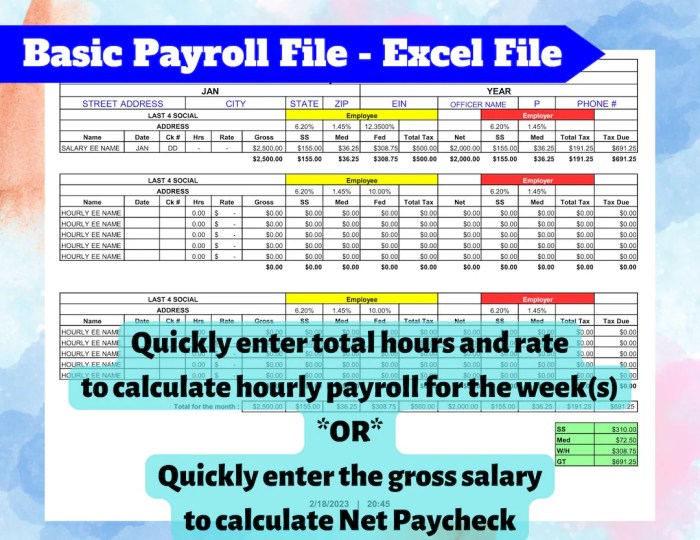
When it comes to manual payroll processing, there are both advantages and disadvantages that small companies need to consider.
Manual payroll can be error-prone for small companies, leading to inaccuracies in employee payments and tax calculations. Without the automation of digital systems, human errors are more likely to occur, potentially causing financial discrepancies and compliance issues.
Drawbacks of Manual Payroll Processing
- Manual payroll processing is highly susceptible to errors, resulting in incorrect pay calculations and tax filings.
- It can be challenging to keep track of changes in tax laws and regulations, increasing the risk of non-compliance and penalties.
- Calculating deductions, benefits, and overtime manually is time-consuming and prone to mistakes.
Error-Prone Nature of Manual Payroll
- Manual payroll calculations rely on human input, making it easy to overlook errors or miscalculations.
- Missing or incorrect data entry can lead to discrepancies in employee pay, causing dissatisfaction and potential legal issues.
- Verification of manual calculations is essential to avoid mistakes, requiring additional time and effort from the payroll team.
Time-Consuming Manual Payroll Calculations
- Manually calculating employee hours, deductions, and benefits can be a tedious and time-consuming process.
- Handling payroll tasks manually often requires repetitive data entry, increasing the likelihood of errors and inefficiencies.
- Small companies may struggle to keep up with payroll demands during busy periods, leading to delays in processing and payment errors.
Cost Comparison
When it comes to small companies, every penny counts. Therefore, comparing the costs associated with digital payroll versus manual payroll is crucial in determining the most cost-effective option for a business.Switching to digital payroll can result in potential savings for small companies.
The automation of tasks such as calculations, tax filings, and employee record-keeping can significantly reduce the time and resources required to process payroll. This can lead to lower labor costs and fewer errors, ultimately saving the company money in the long run.However, it is essential to explore hidden costs that may arise with manual payroll methods.
These may include the time spent on manual data entry, potential errors leading to penalties or fines, and the need for additional staff to handle payroll tasks. These hidden costs can add up quickly and negate any potential savings that manual payroll may seem to offer initially.
Digital Payroll Costs
- Subscription fees for payroll software
- Cost of training employees on new software
- Potential costs for technical support or troubleshooting
Manual Payroll Costs
- Cost of paper checks and supplies
- Time spent on manual data entry and calculations
- Potential costs of errors leading to fines or penalties
Compliance and Security
In the realm of payroll processing, compliance with tax regulations and ensuring the security of sensitive payroll data are paramount concerns for businesses, especially small companies. Let's delve into how digital and manual payroll systems address these critical aspects.
Ensuring Compliance with Tax Regulations
Digital payroll systems are designed to streamline and automate the process of calculating and withholding taxes from employee paychecks. These systems are equipped with built-in tax tables and formulas that automatically adjust based on the latest tax laws and regulations.
This reduces the likelihood of errors in tax calculations and ensures that businesses stay compliant with tax requirements.
Security Measures in Digital Systems
Digital payroll systems employ various security measures to protect sensitive payroll data from unauthorized access and cyber threats. These measures may include encryption of data during transmission and storage, multi-factor authentication for access control, regular security audits, and compliance with industry security standards such as PCI DSS.
By implementing these security protocols, digital payroll systems help safeguard employee information and prevent data breaches.
Risks of Manual Payroll Processes
Manual payroll processes, on the other hand, pose significant risks when it comes to compliance and security. Human error in tax calculations or data entry can lead to inaccuracies in payroll processing, resulting in potential non-compliance with tax regulations. Additionally, the use of paper-based records and spreadsheets in manual payroll systems increases the risk of data loss, theft, or unauthorized access.
Without robust security measures in place, manual payroll processes are more susceptible to data breaches and compliance violations.
Scalability and Growth
Digital payroll systems offer significant advantages when it comes to scalability and supporting the growth of small companies. These systems are designed to easily adapt to changes in the size and complexity of an organization, making them ideal for companies looking to expand.
Accommodating Growth with Digital Payroll Systems
- Digital payroll systems can effortlessly handle an increase in the number of employees. As a company grows, the system can quickly scale up to manage payroll for a larger workforce without the need for significant manual intervention.
- Automation features in digital payroll systems streamline processes, saving time and reducing the chance of errors, which is crucial when dealing with a growing number of employees.
- Cloud-based digital payroll solutions provide the flexibility to access payroll data from anywhere, making it easier to manage payroll for remote or distributed teams as the company expands geographically.
Challenges of Scaling Manual Payroll Operations
- Manual payroll operations become increasingly complex and time-consuming as the company grows. Calculating salaries, deducting taxes, and keeping track of employee data manually can lead to errors and inefficiencies.
- Expanding the workforce without a digital payroll system in place can overwhelm HR and payroll staff, leading to delays in processing payroll and compliance issues.
- Maintaining compliance with changing regulations becomes more challenging as the company grows, especially when relying on manual processes that are prone to human error.
Features in Digital Payroll Systems for Company Growth
- Scalability: Digital payroll systems can easily accommodate the addition of new employees and adjust to the changing needs of a growing company.
- Integration with HR Systems: Many digital payroll solutions offer seamless integration with HR software, providing a comprehensive platform for managing employee data and payroll processes as the company expands.
- Advanced Reporting and Analytics: Digital payroll systems provide valuable insights into payroll costs, employee trends, and compliance metrics, helping small companies make informed decisions to support growth.
Employee Experience
Digital payroll systems can significantly enhance the employee experience in small companies by providing convenience, transparency, and efficiency. Employees can easily access their pay stubs, tax documents, and other important information online at any time. This level of accessibility and self-service empowers employees and reduces the need for manual intervention, leading to a smoother and more streamlined payroll process.
Digital Payroll Benefits for Employee Experience
- Convenience of accessing pay information online anytime, anywhere.
- Transparency in viewing detailed breakdowns of earnings, deductions, and taxes.
- Efficiency in handling payroll-related requests and inquiries promptly.
- Empowerment through self-service options for updating personal information and tax forms.
Employee Testimonials on Digital Payroll
"I love being able to easily access my pay stubs and tax documents online whenever I need them. It's so convenient and saves me a lot of time!"
Sarah, Sales Associate
"The digital payroll system has made it much easier for me to manage my direct deposit information and track my earnings. It's a game-changer!"
John, Customer Service Representative
Impact of Manual Payroll on Employee Satisfaction
- Manual payroll processes can lead to delays in issuing paychecks, causing frustration among employees.
- Errors in manual calculations can result in discrepancies in pay, leading to mistrust and dissatisfaction.
- Lack of transparency and accessibility to payroll information can leave employees feeling uninformed and disconnected.
Closing Summary
Concluding our discussion on Digital Payroll vs. Manual: What's Best for Small Companies?, this final section encapsulates the essence of the debate, leaving readers with a thought-provoking conclusion.
FAQ Compilation
Is digital payroll more cost-effective for small companies?
Digital payroll can lead to cost savings in the long run due to increased efficiency and reduced errors.
How does manual payroll processing impact compliance with tax regulations?
Manual payroll processing can pose challenges in ensuring compliance with tax regulations, leading to potential errors.
Can digital payroll systems accommodate the growth of small companies?
Yes, digital payroll systems are designed to scale with the growth of small companies, offering flexibility and efficiency.

